





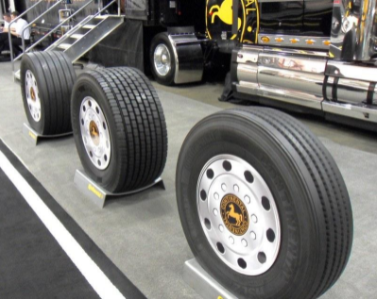
Changing your car’s tires is necessary to enhance their performance, which in turn enhances the car’s efficiency, performance, and safety. Old or worn tires can have thin treads, difficulty braking and stopping effectively, or blowouts that leave you stranded or lead to accidents. However, knowing that you need to change the tires is one thing; knowing when to do so is another. The good news is that it is not as difficult as you might think to know when it’s time to change out your tires.
The following are the ways to know when it is time to change any of your car’s tires:
Assess the Tread Bars

Image via Flickr by Tino Rossini
Examining tread integrity allows you to know whether they are worn out. You can do this by checking the tread bar’s condition. You will spot the tread wear bars that appear as small horizontal bridges forming in between the threads at a deeper level. If the bar flushes with the tire tread, it’s time to change that tire. Consistent wear leaves the bars flush with the tire treads, which means that the treads have worn to 2/32 of an inch, and you need to replace the tire. Ensure that you check the bars all over the wheel and not just on one spot.
Check the Appropriate State or Regional Tread Recommendations
Treads are primarily active on wet roads where they divert water beneath the tire for improved traction and less hydroplaning. Treads that are below 2/32 inches are dangerous as they can easily make the car lose its grip on the road and cause an accident. That’s why they are illegal in most parts of the world, and a number of states in the U.S. even have their own tread recommendations. Texas tire regulations require a minimum depth of 2/32 of an inch to have your tires be considered in proper and safe condition.
Determine the Age of the Tires
While factors like your driving habits and the weather conditions determine how well your tires can last, the tires’ age also matters. Experts recommend that you change your tires after six or more years, even if they lack visible signs of damage or wear. There is typically a 4-digit code on the side of the tire that indicates its age. The first two numbers represent its week of manufacture and the last two the specific year. A “1209“ code, for instance, indicates that the tires were made on the 12th week of the year 2009.
If you find it difficult to spot the code, look for the initials “DOT“ and follow the wording or numbers after it to spot the code. It should only have four digits, and the last two should correspond to a year in the past.
Do the Penny Test
One of the simplest ways of measuring the depth of any tire treads is by using a penny. Hold the coin upside down with Lincoln’s head facing you and put it in between the treads located at the thickest part of the tire. If Lincoln’s head is level with the treads, the tire is unsafe and needs a replacement. The tire is more dangerous and non-roadworthy if you can see the copper under Lincoln’s head. Replace it immediately. A safe tire is one that leaves Lincoln’s hair or a small part of the head covered during the penny test.
Use a Tread Indicator
Using a tread indicator can also help you accurately track down the wear and tear that your tires have undergone. It is a probe that has precise calibrations and allows you to avoid doing a lot of guesswork when measuring the tread depth. You should put the indicator’s probe in between the one tire groove on the tread’s outer surface. Then, while taking care not to disrupt the probe, remove the gauge by the barrel and take the tread depth measurement. Repeat the process around the center tire grooves with 15-inch intervals and average your readings. If you get a result of less than 2/32 inch, replace the tire.
Check for Visible Signs of Damage
There are many types of damage that your car might have. You may see the signs on the external surface of the tire manifesting as perforation cuts, abnormal bulges, or deformations. Bulges indicate that air pressure is sipping into the outer tire layers due to cracks or damages to the rigid internal frame. They could be visible on the tire’s sidewall, the surface outside the rim facing you after you embark from your parked car. You’ll want to replace tires with this damage immediately to prevent a blowout or sudden tire failure at highway speeds.
Check For Dry Rot
Small cracks all through a tire’s surface indicate a breakdown of the rubber. The dry rot causes tires to fall apart and detach from the steel belt. That can leave the external part of your car damaged. In other instances, the wheels could start deteriorating with visible rot before the treads begin to diminish. You should inspect your tires to ensure there are no dry rots before you embark on long journeys. Change the tires and degrease your tires often to prevent this damages, especially if your car comes under intense sunlight exposure.
After Noticing a Puncture
Even with modern tires being incredibly robust, punctures may and still occur from time to time. Numerous things could lead to punctures, and you have to ensure proper replacement of the punctured tire before it poses a risk as you drive.
Drive into Herb Easley Chevrolet dealership in Wichita Falls, Texas, for tire changing and balancing and get a chance to experience our professional auto services. We specialize in the certified servicing of all Chevrolet vehicles and have a team of experienced mechanics ready to give you swift services. We also rely on state-of-the-art technology and equipment to diagnose your car of any issues to ensure we can conduct the appropriate repairs. Give us a call today to arrange your visit, and let us restore your vehicle’s condition.
Connect with us


Recent Blog Entries
- Comparing Chevrolet SUVs: Trax vs. Trailblazer vs. Equinox. Which Is Right for You?
- 2025 Chevrolet Silverado 1500 Review: What Makes It a Top Choice for Wichita Falls Drivers
- Why Regular Dealership Maintenance Helps Your Chevrolet Last
- When Should I Change My Tires?
- Best Chinese Restaurants in Wichita Falls, TX